

Step-by-step workflow that runs batches.
Business product
Retail & E-commerce
Private Beta
Make product pages accurate in every language.
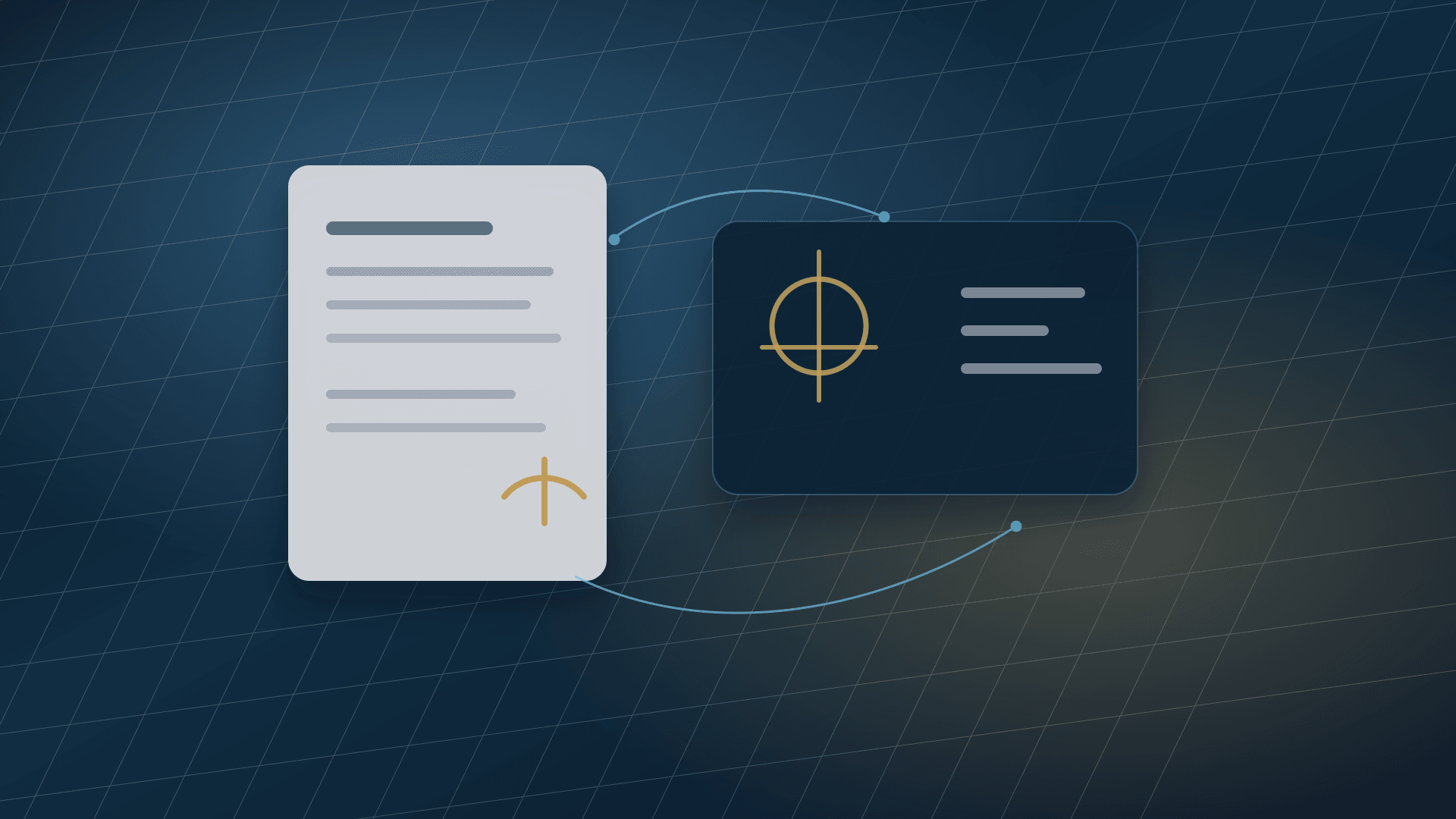
Upload supplier PDFs and images. Get a spreadsheet aligned to your catalog template, with a source trace for every line.
Request pilotStandard ToS and a public DPA template are available for evaluation.
Administrative recognition: DRIEETS Île-de-France attested in November 2025 that PageMind is an economically innovative project in France. PageMind is built for evidence-linked French outputs and EPREL-aware product fields where relevant to the workflow.
What you get today
Glossary control for brand terms and banned words.
Source trace per row (source file, page, steps used).
Spreadsheet export aligned to your catalog template.
Supported formats: PDF, DOCX, CSV, TXT/Markdown, JPEG/PNG.
Private beta fair-use limits.
Who it’s for
Catalog and content teams at retailers, brands, and marketplaces.
From supplier inputs to catalog-ready data
Retail and catalog teams often receive product information in inconsistent formats: supplier PDFs, product images, spreadsheets, text files, and partial specifications.
The PageMind workflow is built for product data.
PageMind is built to turn supplier and product inputs into structured catalog work that teams can inspect, correct, and export.
The goal is not a generic document chatbot. The goal is a repeatable workflow for product data: extract, translate, localize, review, trace, and export.
"Extract product attributes from these supplier PDFs and images."
"Translate and localize these product descriptions using our glossary."
"Prepare catalog-ready CSV rows with source trace for review."
What’s live today
Repeatable, auditable workflows focused on retail catalog content.
Repeatable, auditable workflow presets
PDF/IMG → Attribute extraction → Translate/localize → Compliance text → CSV export.
Memory modes and formats
Glossary Memory (brand terms, banned words) and Context Memory (vector recall). Supported: PDF, DOCX, CSV, TXT/Markdown, JPEG/PNG. Volume limits apply during private beta.
Batch processing and source trace
Run batches with a retry bin and per‑SKU source trace logs.
RetailOps workflows
Bulk translate + localize
Localize thousands of product texts with glossary enforcement.
Spec‑sheet extraction
Extract attributes from supplier PDFs and images into a normalized CSV for your catalog system.
Compliance copy
Generate materials, care labels, and allergen statements with change tracking.
Planned connector work
Akeneo/Shopify connectors, translation QA, taxonomy mapping.
How it works
1
Pull specs from PDFs and images.
Extract product attributes and text from supplier PDFs and images.
2
Translate and localize with your glossary.
Apply brand terms, banned words, and language rules automatically.
3
Create compliance-assistant notes (for internal review; not legal advice).
Generate internal-only notes to assist compliance review.
4
Export a ready-to-upload spreadsheet for your catalog system.
Aligned to your catalog template with a source trace per row.
Pilot access and pricing
PageMind is currently available through private beta and selected retail/catalog pilot conversations.
Contact-based pilot scoping
Pilot scope depends on your catalog size, target languages, input formats, review needs, and whether connectors or custom templates are required. Pricing is discussed case by case as part of the pilot conversation. Use the pilot request form to share your catalog system, approximate SKU volume, and target languages.
Recommended
Planned connectors and future work
Planned work includes connectors such as Akeneo, Shopify, and Google Sheets, along with translation QA, taxonomy mapping, drive import, and API access where pilot needs justify it. Autonomous capabilities remain future work, not current PageMind functionality.
Security, privacy & legal
PageMind’s legal and privacy documents describe roles, safeguards, and responsibilities at a public level. Customer-specific delivery, processing locations, and binding commitments are defined in the applicable signed agreement. You stay responsible for what is published in your PIM and storefronts.
GDPR & DPA
A dedicated PageMind Data Processing Agreement is available and defines roles, data handling, deletion, and transfer safeguards where relevant.
- Transfer safeguards where required by the applicable arrangement
- No cross-customer training commitment in the applicable terms
- Public DPA template available for evaluation
PageMind DPA
Security & infrastructure
The PageMind security overview explains the public security and data-protection boundary. Customer-specific safeguards and delivery arrangements belong in the applicable signed agreement.
- Public security boundary without a private provider inventory
- Customer responsibility for submitted and published data
- Customer-specific safeguards recorded in the applicable agreement
Security & Data Protection Overview
Terms & acceptable use
PageMind is a B2B tool for retail catalog operations. Our standard Terms of Service and Acceptable Use Policy clarify responsibilities: you stay responsible for what you publish and for legal/compliance decisions; PageMind focuses on safe automation, traceability and evidence.
- B2B SaaS terms under French/EU law
- Clear allocation of responsibilities
- Acceptable use rules for safe deployments
We can share our standard PageMind ToS, DPA and pilot agreement as part of the evaluation.
Request Retail Pilot Access
Share a few details and we’ll reach out to align the pilot to your catalog and workflows.



Request PageMind pilot access
If your team manages retail catalog data, supplier inputs, multilingual product pages, or catalog-ready spreadsheet workflows, PageMind can be evaluated through a private beta / selected pilot conversation.
Share your catalog system, approximate SKU volume, and target languages.